Harp music reading & beginner gear
How to read bass clef on the harp
Harp music uses the grand staff—treble for the right hand and bass clef for the left. Start with note reading, then explore lever harps, beginner books, strings, and practice-room essentials without the marketing fluff.
- ✓Editorially reviewed
- ✓No pay-for-placement
- ✓Funding disclosed
Editorial standards
“Independent guide — not affiliated with Amazon or any harp maker. We explain fitment, humidity, and when to compare teachers and dealers.”
How we work →Start here
Four pillars, dozens of guides — answer the question you came with first.
Each pillar opens a curated path: explainer → testing notes → product picks. Built so you land on the right shelf in three clicks.
01 · Beginner
Beginner Harp Buying Guide
Beginner Harp Buying Guide
Explore the path →02 · Humidity
Humidity and Climate for Harp Rooms
Humidity and Climate for Harp Rooms
Explore the path →03 · Amazon
Amazon vs Dealers: Honest First-Harp Advice
Amazon vs Dealers: Honest First-Harp Advice
Explore the path →04 · Start
Start Here: New to the Harp
Start Here: New to the Harp
Explore the path →Top picks
Top picks at three price points, side-by-side.
Three price points, compared on specs, published prices, and buyer ratings, so you can see what the extra money buys.
How we choose: we compare specs, published prices and buyer ratings, and say plainly when a dealer or teacher is the better route. Details are on the methodology page.
How we choose →Latest from the desk
Six things we published recently.
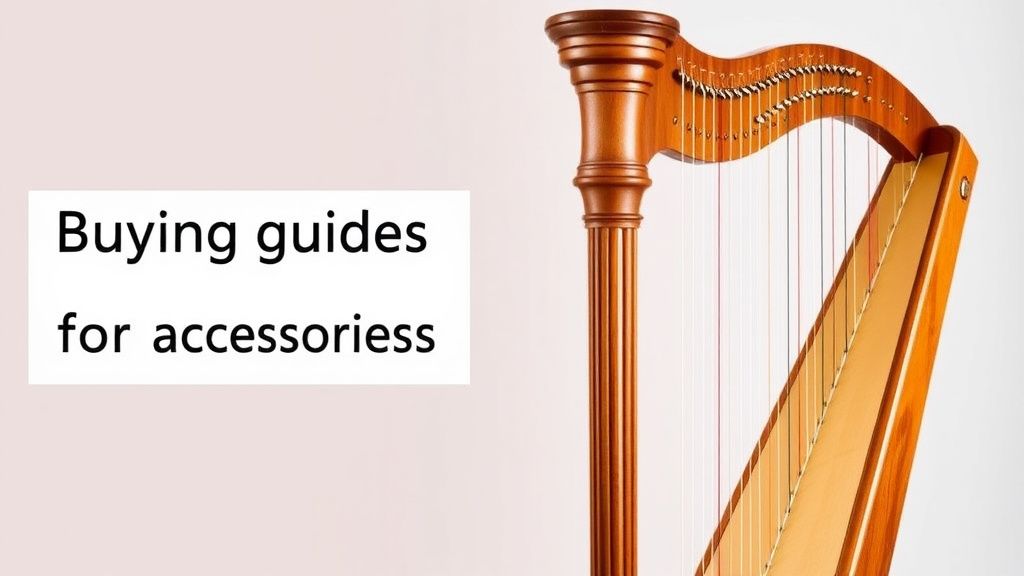
Best Harp Black Friday Deals: Top Picks for Musicians
Adjustable Harp Benches: Customizing Your Playing Experience
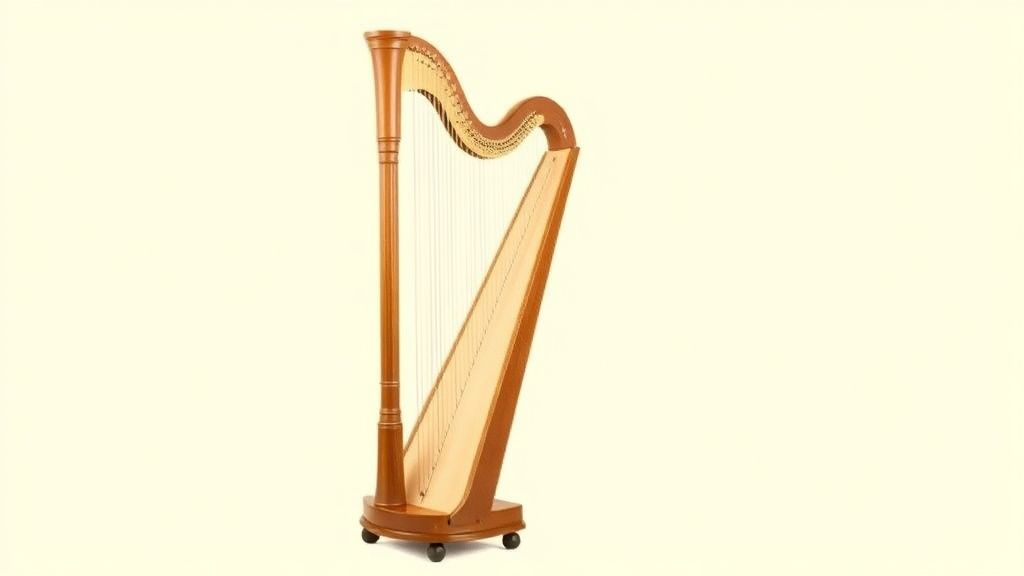
Advanced Harp Compositions: Challenging Your Abilities
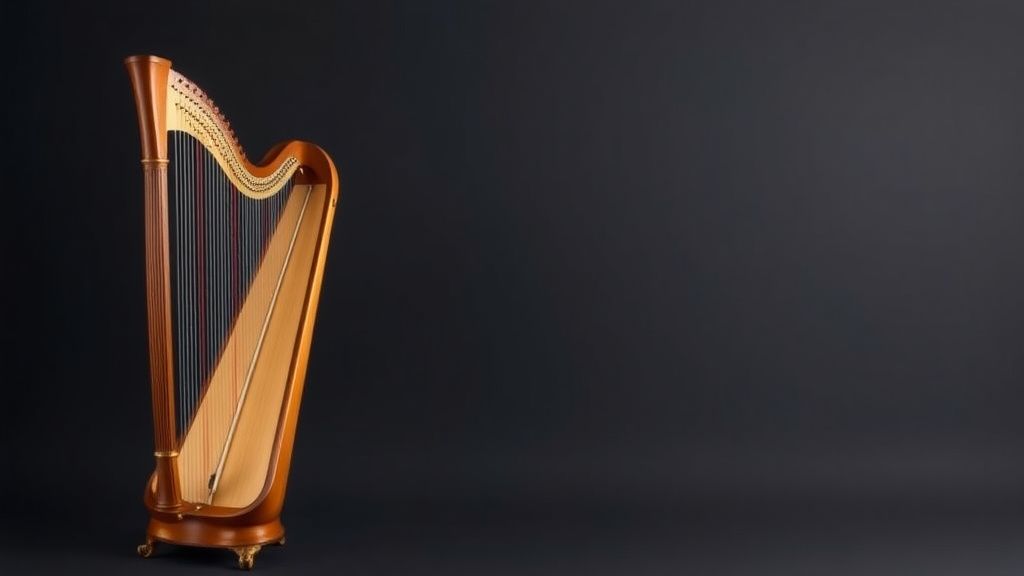
Advanced Harp Stands: Features for Professional Players
Advanced Harp Techniques: Books and Resources
Amplifying Your Harp: A Guide to Pickups and Microphones

About the desk
Why The Harp Room Guide exists
Harps are high-consideration instruments. String count, levers, weight, humidity, and replacement strings matter more than listing photos. We focus on beginner harps, care gear, and practice-room essentials on Amazon — and we say plainly when you should also compare established makers, rentals, and teachers.
Articles published
151
All bylined and dated.
Products reviewed
125
Independent reviews — every price disclosed.
In-depth guides
12
Pillar topics, updated as the field changes.
Related guides
Keep going from bass clef to your first harp setup.
Hand-picked paths on this site: reading basics, buying advice, lever harps, books, and strings.
Learning to Read Harp Music: A Beginner’s Tutorial
Grand staff, bass clef, lever markings, and beginner practice tips.
Open guide →Beginner Harp Buying Guide
Harp types, realistic budgets, and what to check before you buy.
Open guide →Lever Harps for Beginners
Why lever harps suit home learners and how to start simple repertoire.
Open guide →Best Beginner Harp Books
Method books and song collections that reinforce reading and technique.
Open guide →Harp Strings and Tuning Guide
String materials, gauges, and a practical tuning routine for practice rooms.
Open guide →
FAQ
Common questions about reading harp music and getting started.
How do you read bass clef on the harp?
Harp music is written on the grand staff. Bass clef is typically the left-hand part and covers the lower notes, while treble clef covers the right-hand higher notes. Use middle C—between the two clefs—as your hand-position reference, then learn standard note values and rests before adding lever or pedal markings.
What is the difference between treble clef and bass clef in harp music?
On the harp, treble clef usually carries the right-hand higher notes and bass clef carries the left-hand lower notes. Together they form the grand staff, similar to piano music, with middle C sitting between the clefs as a shared landmark.
Do beginners need to read sheet music to play the harp?
Not at the very start. Many learners begin with tablature or simple visual diagrams. Learning standard notation—including bass clef—still expands your repertoire and speeds progress, and most teachers introduce it gradually rather than all at once.
How many strings should a beginner harp have?
Most beginner harps fall between about 22 and 36 strings. Smaller 22–26 string models suit children and small hands; many adult beginners do well with roughly 26–34 strings for a wider range without jumping straight to a large concert instrument.
What is the difference between a lever harp and a lyre harp?
Lever harps (Celtic or folk harps) usually have 22–38 strings and levers that raise pitch by a half step so you can change keys without full retuning. Lyre harps are typically smaller, often around 10–15 strings, historically inspired in shape, and usually lack levers—so tuning stays fixed and the instrument stays more portable and simple.
What accessories does a new harp player need?
Start with a sturdy tuning key and a chromatic tuner, plus a bench or stool at a height that supports good posture. A music stand, metronome, and protective cover or case are the next most useful additions; humidity care matters if your room runs very dry.
How often do you need to tune a practice harp?
Most practice harps need regular tuning—often weekly, and more often when the instrument is new, after string changes, or when temperature and humidity swing. A clip-on or chromatic tuner plus a key that fits your pins makes the routine manageable for beginners.
Where to begin
Start with the notes, then pick your harp.
Standards, disclosures, and how we make money.
Affiliate-link disclosure, testing protocol, conflict-of-interest policy, clinician contributors, and our correction log. All on one page. Read before you trust the rest.